Budidaya Sayuran Organik di Halaman Rumah

Budidaya Sayuran Organik di Halaman Rumah

Cara Mudah Budidaya Sayuran Organik di Pekarangan Rumah

Zona Orgnaik - Cara Mudah Budidaya Sayuran Organik di Pekarangan Rumah - Organic Gardening - Growing Vegetables Organically - Sekarang ini budidaya sayuran secara organik memberikan peluang usaha yang menguntungkan dan menjanjikan. Sudah banyak para penghobi yang beralih menjadi pembudidaya sayuran organik komersial.

menanam sayuran di pekarangan atau di halaman rumah secara organik memberikan banyak kesenangan dan keuntungan. Proses budidaya sayuran organik menjadi rutinitas yang menyenangkan bersama keluarga. Mulai dari persiapan media tanam, persemaian, penanaman, perawatan, dan pemanenan.

Berikut ini cara budidaya sayuran organik di pekarangan sebagai peluang usaha baru yang menguntungkan:

Tahap-Tahap Menanam Sayuran Organik dari Biji:
  1. Persiapan
  2. Persemaian
  3. Penyapihan
  4. Penanaman
Cara Mudah Budidaya Sayuran Organik di Pekarangan Rumah

Persiapan Budidaya Sayuran Organik di Pekarangan

Benih sayuran yang kita beli dari toko pertanian biasanya disertai keterangan dalam kemasannya, seperti misalnya spesifikasi "Germination Rate", yaitu daya kecambah benih. Umumnya germination rate sekitar 80%, artinya jika kita menanam 10 benih, kemungkin hanya 8 benih yang tumbuh. Persiapan budidaya dimaksudkan untuk menyaring benih yang tidak tumbuh, sehingga kita hanya menyemai/menanam benih yang sudah mulai berkecambah agar kepastian tumbuh cukup tinggi.

Kegiatan persiapan budidaya sayuran organik di pekarangan antara lain adalah pra semai, yaitu:

Cara Mudah Budidaya Sayuran Organik di Pekarangan Rumah

Perlakuan terhadap benih (biji) sayuran
  1. Rendam biji dalam air (hangat) selama 1/2 - 1 jam. Biji yang waktu berkecambahnya lama, misalnya Coriander atau Parsley atau Horenzo boleh direndam semalaman.
  2. Maksud perendamam untuk melembabkan kulit benih sehingga pori-pori kulit membesar. Akibatnya terjadi penetrasi air ke dalam biji. Hal ini memicu biji untuk menghasilkan zat pengatur tumbuh (auxin) yang kemudian juga memicu lembaga benih (titik tumbuh) memulai pertumbuhan. Pada tahap ini kita belum dapat membedakan benih yang mempunyai daya kecambah tinggi dan rendah, sehingga jika langsung disemai/ditanam, kemungkinan tidak semua benih akan tumbuh.
  3. Air rendaman boleh diberi zat pengatur tumbuh atau pupuk cair organik atau sedikit garam untuk membantu proses pertumbuhan.
  4. Untuk memastikan benih yang disemai/tanam mempunyai daya kecambah tinggi, setelah benih direndam, disimpan di wadah dengan alas lembab seperti tissue yang dilembabkan.
  5. Tutup wadah agar tidak terjadi penguapan. Simpan di tempat sejuk. Setelah beberapa hari benih mulai berkecambah. Pada tahap ini kita dapat memilih hanya benih yang sudah berkecambah saja yang disemai atau ditanam, sehingga probailitas tumbuh jauh lebih tinggi.
Cara Mudah Budidaya Sayuran Organik di Pekarangan Rumah

Persemaian Budidaya Sayuran Organik

Budidaya sayuran organik yang kami Zona Organik lakukan biasanya diawali dengan persemaian. Berikut ini beberapa tahapan yang kami lakukan dalam menyemai benih sayuran:

Cara Mudah Budidaya Sayuran Organik di Pekarangan Rumah
  1. Siapkan wadah semai, dalam hal ini kami menggunakan pot, gelas plastik bekas, pot kertas, atau karung bekas. Jika menggunakan gelas plastik bekas minuman, maka bagian bawahnya harus dilobangi terlebih dahulu.
  2. Isi wadah semai dengan media. Sebaiknya campuran media halus (tanah disaring, pasir halus, sekam bakar ditambah pupuk organik halus minimal 1/4 bagian). Basahi dahulu campuran media agar lembab.
  3. Buat lubang sedalam 0,5 - 1 cm pada media semai, kemudian masukkan benih di tiap lubang dan tutup lagi dengan media. Jika menyemai di wadah lain, misal baki berlubang, beri jarak antar benih, 1-5 cm untuk memudahkan pemisahan bibit yang sudah tumbuh tanpa terlalu mengganggu perakaran.
  4. Semprot dengan sprayer jika media mulai kering. Kemudian tutup dengan kardus atau plastik warna solid atau penutup apa saja agar tidak terjadi penguapan sehingga media tetap lembab. Simpan di tempat sejuk.
  5. Setelah beberapa hari (tergantung jenis sayurannya), benih mulai tumbuh. Buka penutup, usahakan mendapat sinar matahari (pagi) agar batang tidak terlalu panjang. Siram dengan sprayer agar bakal tanaman tidak terganggu air siraman.
  6. Bibit dipindahkan setelah keluar dua daun asli, sehingga keseluruhan ada 4 daun, yaitu 2 daun dari biji dan 2 daun asli sesuai dengan tanaman tersebut pada waktu dewasa. Bibit dapat dipindahkan untuk disapih atau langsung ditanam.
Cara Mudah Budidaya Sayuran Organik di Pekarangan Rumah

Penyapihan

Bibit hasil semaian yang kami tanam dalam karung bekas kondisinya masih agak lemah sehingga daya adaptasi di lingkungan yang baru lebih lambat. Hal ini dapat mnyebabkan stres pada tanaman sehingga mudah terserang hama dan penyakit, oleh karena itu sebaiknya letakkan tanaman muda tersebut dalam ruang steril atau rumah plastik (greenhouse).

Menyapih dimaksudkan agar tanaman sudah cukup besar dan kuat sebelum ditanam sehingga daya adaptasi menjadi lebih baik.

Berikut ini cara menyapih benih sayuran organik:
  1. Ambil polibag kecil atau wadah kecil (gelas air mineral, potongan botol air mineral, atau potongan kotak susu yang diberi lubang bawahnya).
  2. Isi dengan media tanah yang sudah dilembabkan atau campurannya, jangan lupa pupuk organik minimal 1/4 bagian.
  3. Pindahkan bibit semaian ke wadah sapihan. Rawat teratur hingga tanaman cukup besar (jika menggunakan gelas air mineral, akarnya mulai kelihatan di sekeliling gelas).
  4. Benih sayuran siap dipindahkan ke dalam media karung.
  5. Jika kita tidak ingin menyapih, jalan tengahnya dengan memindahkan tanaman setelah cukup besar (daun asli sudah lebih dari 4). Jika demikian, lubang semai (jika di tray semai) harus cukup besar untuk menampung perakaran atau jarak semaian harus cukup agar perakaran dapat berkembang dengan baik.
Cara Mudah Budidaya Sayuran Organik di Pekarangan Rumah

Penanaman Sayuran Organik dalam Karung di Pekarangan

Menanam dapat dilakukan dari hasil sapihan, atau hasil semaian atau hasil pra semai atau bahkan langsung dari benih. Berikut ini beberapa hal yang harus diperhatikan dalam memindahkan tanaman dari persemaian ke wadah penanaman, dalam hal ini Zona Organik menggunakan karung bekas, kaleng bekas, pot, dan wadah bekas lainnya:
  1. Gunakan pot dengan ukuran memadai pada saat tanaman dewasa. Misal tanaman cabai atau tomat, sebaiknya gunakan ukuran diameter 50-60 cm. Untuk tanaman sayuran daun cukup menggunakan pot ukuran 30 cm.
  2. Gunakan campuran tanah dan media lain seperti sekam agar porousitas media cukup baik, yaitu dapat menangkap air tetapi tidak menahan yang menyebabkan air tergenang. Jangan lupa beri pupuk organik minimal 1/4 bagian.
  3. Jika menanam di tanah, jarak tanam disesuaikan dengan jenis tanaman, misal cabai/tomat/brokoli jarak sekitar 60 cm, Caisim/Pakcoy/Horenzo cukup 15-20 cm. Tujuannya agar ruang tumbuh dan paparan sinar matahari cukup, dan tidak bersaing dalam mencari makanan.
  4. Perawatan tanaman setelah pemindahan ke media tanam sebenarnya antara lain penyiraman, pemangkasan (pruning), pemupukan, dan pengendalian hama dan penyakit, serta pemanenan.
Cara Mudah Budidaya Sayuran Organik di Pekarangan Rumah

Tips khusus budidaya sayuran organik di pekarangan rumah:
  1. Menanam bayam dilakukan langsung di tanah. Karena biji bayam sangat kecil, untuk memudahkan menebar, campur 1 bagian biji bayam dengan 10 bagian pasir halus, aduk rata, baru ditabur. Dengan demikian, sebarannya akan lebih merata.
  2. Jangan lakukan perendaman pada kacang Edamame karena kulitnya mudah terkelupas jika kena air.
  3. Menanam umbi-umbian seperti wortel atau lobak sebaiknya langsung di tanah supaya bentuk umbinya bagus.
  4. Jika menanam langsung di tanah, sebaiknya satu lubang diisi 2-4 biji sehingga probabilitas tumbuh tiap lubang sangat besar. Nantinya hanya dipertahankan satu tanaman yang paling bagus/sehat. Yang lain dicabut atau dipindahkan (jangan mengganggu perakaran tanaman yang sehatnya).
  5. Benih Kemangi jangan direndam, langsung disemai saja.
Dengan melakukan budidaya sayuran organik di halaman rumah, kita sudah bisa melakukan satu hal penting yang harus dilakukan oleh setiap rumah tangga, yaitu cara menghemat uang belanja dapur.

Demikain Cara Budidaya Sayuran Organik di Pekarangan, selamat mencoba, semoga bermanfaat.

Budidaya Sayuran dari Iseng untuk Kesejahteraan Keluarga

ZonaOrganik.Com - Budidaya Sayuran Organik dari Iseng untuk Kesejahteraan Keluarga - Organic Gardening - Growing Vegetables Organically - Awalnya sebuah iseng belaka, namun akhirnya kecanduan. Kami sekarang ini kecanduan menanam sayuran apa saja di halaman dan pekarangan rumah, karena banyak sekali manfaatnya, salah satunya untuk kesejahteraan keluarga.

Menarik, itulah kata yang terucap ketika ada warga melintas maupun berkunjung ke rumah kami tepatnya di Desa Tambaharjo Kecamatan Adimulyo Kabupaten Kebumen Provinsi Jawa Tengah. Hal menarik tersebut bisa ditemui di depan rumah Kami.

Banyak tanaman dengan berbagai macam jenis yang menghiasi halaman dan pekarangan yang tidak cukup luas namun terlihat padat dengan isinya. “Zona Organik”, itulah nama pekarangan kecil kami. Tidak hanya itu, di sepanjang jalan dan gang depan rumah dan samping rumah kami, dapat dilihat juga tanaman sayuran yang kami tanam dalam karung dengan sistem organik.


Zona Organik milik kami berawal dari iseng istri saya. Sejak Juli 2014, Zona Organik yang berisi tanaman warung hidup dan apotik hidup kami kembangkan sedikit demi sedikit dengan tanaman sayuran. Berjalannya waktu, bermula dari iseng kini pekarangan kami tersebut telah memiliki kekayaan yang cukup besar.

Dari hasil panen sayuran di pekarangan rumah, kami bisa berhemat uang belanja dapur dan hal ini masih banyak orang yang belum menyadari, Bagaimana cara berhemat belanja dapur?

Sesuai dengan namanya, “Zona Organik” yaitu daerah organik, artinya semua tanaman sayuran di halaman dan pekarangan rumah kami ditanami dengan berbagai tanaman sayuran secara organik.

Budidaya Sayuran dari Iseng untuk Kesejahteraan Keluarga

Inti dari budidaya sayuran organik adalah terletak pada pemupukan dan penanganan hama dan penyakitnya. Pemupukan kami lakukan dengan memanfaatkan pupuk kandang kotoran ternak, sedangkan penangan hama dan penyakit tanaman kami lakukan dengan memanfaatkan dedaunan berkhasiat (yang rasanya pahit) yang ada di sekitar rumah kami.

Budidaya Sayuran dari Iseng untuk Kesejahteraan Keluarga

Kini banyak tanaman di Zona Organik kami tersebut seperti cabe, tomat, bayam, terong, kangkung, caisim, dan masih banyak lagi. Semua sayuran tersebut dikembangkan tanpa pestisida sehingga tidak dapat diragukan lagi kelebihannya bagi kesehatan tubuh jika dikonsumsi.

Budidaya Sayuran dari Iseng untuk Kesejahteraan Keluarga

Beberapa rumah warga diketahui memiliki jenis tanaman yang sama seperti di Zona Organik kami.

Kami berharap berawal dari budidaya sayuran tanaman warung hidup yang kami miliki akan membangkitkan semangat warga Tambaharjo untuk ikut serta mencintai tanaman dan mengembangkannya sehingga selain bermanfaat bagi warga, tanaman yang dikembangkan bisa memberikan sumbangan guna mengurangi pemanasan global.

Kami berharap, masyarakat akan tergugah hatinya untuk melakukan pertanian secara organik, di samping untuk memperbaiki mutu bahan pangan yang sehat, juga sebagai upaya pelestarian lingkungan.

Budidaya Sayuran dari Iseng untuk Kesejahteraan Keluarga

Sebuah tantangan berat bagi kami untuk mengajak tetangga dan warga sekitar untuk memulai memanfaatkan halaman dan pekarangan untuk Budidaya Sayuran dari Iseng untuk Kesejahteraan Keluarga.

Baca juga:


Demikain harapan dan keinginan kami dalam upaya mengorganikkan desa kami, selamat mencoba, semoga bermanfaat.

Kapan Waktu yang Baik Memindahkan Bibit Cabe?

ZonaOrganik.COm - Kapan Waktu yang Baik Memindahkan Bibit Cabe? - Organic Gardening - Growing Vegetables Organically - Kapan sebaiknya pemindahan bibit cabe dari persemaian ke media tanam? Pemindahan bibit cabe ke media tanam merupakan rutinitas keluarga kami sehari-hari dalam melakukan budidaya sayuran organik di dalam karung di halaman dan pekarangan rumah.

Selama ini kami menyimpulkan bahwa waktu yang paling tepat untuk memindahkan bibit cabe adalah sore hari antara pukul mulai pukul 16.00 WIB.

Mengapa demikian?

Karena di sore hari, udara tidak terlalu panas, apalagi setelah itu hari malam dan udara pun sejuk, sehingga memberi efek nyaman pada tanaman yang baru saja dipindahkan dari persemaian, sehingga tanaman akan menjadi segar dan dapat menyesuaikan diri sebelum terkena terik matahari esok harinya.

Kapan Waktu yang Baik Memindahkan Bibit Cabe?
Berbeda jika kita melakukan transplant pada pagi hari, yang secara langsung tanaman akan segera terkena terik matahari, sehingga biasanya tanaman yang masih muda itu akan layu. Jika tanaman kuat, maka bisa bertahan, namun jika tanaman kurang sehat atau lemah, bisa saja bibit cabe menjadi layu terus menerus sehingga mati.

Kegiatan memindahkan bibit cabe organik dari persemaian ini biasanya dilakukan oleh istri saya di waktu sore hari, sebagai kegiatan rutin mengisi waktu sore.

Kapan Waktu yang Baik Memindahkan Bibit Cabe?

Setelah bibit cabe dipindahkan, selanjutnya segera lakukan penyiraman secukupnya agar tanaman tetap segar pada media yang baru.

Setelah bibit dipindahkan pada media tanam, perawatan selanjutnya hanyalah menyiram tanaman. Karena kami melakukan budidaya cabe dan sayuran lainnya secara organik, maka pemupukan sudah kami lakukan ketika membuat media tanam, pupuk yang berupa kompos, arang sekam,cocopeat, dan pupuk kandang ini sudah kami campurkan dalam media tanam.

Kapan Waktu yang Baik Memindahkan Bibit Cabe?

Jangan lupa lihat juga cara Mas Udin membuat media tanam pada Budidaya Cabe Organik Membuat Media Tanam Subur

Catatan:

Kami melakukan budidaya cabe dan sayuran dalam karung di halaman dan pekarangan rumah secara organik tanpa bahan kimia baik dalam pemupukan maupun mengatasi hama dan penyakitnya, sehingga cabe dan sayuran yang kami hasilkan bebas dari bahan kimia.

Menyemai Cabe Hias di Pot Greenhouse

ZonaOrganik.COm - Menyemai Cabe Hias di Pot dalam Greenhouse - Cabe hias, sudah sejak lama kami ingin menanamnya, namun baru kali ini kesampaian, itu saja baru dalam tahap persemaian. Kami membeli cabe hias secara online di Solo. Dalam waktu 4 hari benih cabe yang kami pesan datang yang disertai dengan panduan tata cara persemaiannya.

Persiapan yang kami lakukan dalam menyemai cabe hias ini adalah sebagai berikut:
  1. Membuat rumah plastik sederhana (greenhouse) di samping rumah dengan bahan bambu dan kayu bekas.
  2. Menyiapkan media semai berupa tanah pekarangan, pupuk kompos, dan arang sekam dengan perbandingan 1:1:1.
  3. Menyiapkan wadah semai berupa pot kecil dan gelas plastik bekas minuman.
  4. Menyiapkan rak untuk tempat pot dan gelas plastik.
  5. Menyiapkan air (bila perlu tambahkan microorganisme/dalam hal ini kami menggunakan EM4).
Sebelum disemai, hendaknya biji cabai direndam terlebih dahulu selama 2-12 jam. Bila perlu lagi gunakan air hangat-hangat kuku.

Menyemai Cabe Hias di Pot Greenhouse

Ada beberapa pendapat dalam merendam benih cabe, yaitu:
  1. dengan menambahkan gilingan bawang putih pada perendaman.
  2. dengan menambahkan microorganisme (EM4).
  3. direndam semalaman
  4. direndam 2 jam saja
Cara diatas masing-masing orang berbeda-beda, itu berdasarkan pengalaman mereka masing-masing. Dalam hal ini kami juga melakukan persemaian berdasarkan pengalaman sendiri, yaitu langsung menyemai benih cabe hias tanpa merendam terlebih dahulu.

Menurut petunjuk, bahwa cabe hias ini akam memakan waktu lama untuk germinatio, sprout, atau berkecambah, yaitu sekitar 3-4 minggu, hal itu disebabkan karena biji cabe hias telah kering.

Berbeda jika biji cabai masih dalam keadaan segar alias baru membelah dari buahnya, maka akan cepat tumbuh ketika disemai, yaitu kira-kira membutuhkan waktu 7-10 hari saja.

Berbeda lagi dengan cabai lokal, memang cabe hias ini membutuhkan waktu lebih lama untuk berkecambah dibandingkan dengan cabai lokal.

Kami menyemai cabe hias ini di dalam rumah plastik dengan tujuan:
  1. mencegah datangnya hama dan penyakit dari luar (tanaman lain).
  2. mencegah curahan air hujan.
  3. mencegah sinar matahari langsung (karena masih dalam penyemaian)
  4. agar tidak terganggu oleh hewan peliharaan, seperti misalnya ayam, bebek, itik, kambing, dan lain-lain.
  5. agar terlihat lebih rapi dan bersih karena ini merupakan sarana rekreasi juga buat keluarga kami.
  6. agar mudah dalam mengawasi dan merawatnya.
Berikut ini video lokasi persemaian cabai hias milik kami, silahkan bila berkenan untuk ditonton:


Jangan lupa baca juga daftar nama jenis cabai hias yang sedang kami semai pada: 44 Jenis Cabe Hias Unik dan Pedas

Budidaya sayuran khususnya cabai yang kami lakukan adalah secara organik, baik pupuk, insektisida, maupun pestisidanya. Demikian cara Menyemai Cabe Hias di Pot dalam Greenhouse atau rumah plastik, semoga bermanfaat.

How to Chilli Seedling in Pot Organically?

ZonaOrganik.Com - How to Chilli Seedling in Pot Organically? - The first step on growing chili is to sow the seed. This time we began to plant ornamental chili or chili imports. We get seeds of purchase. 40 kinds of ornamental chili, each of the seeds we sow in pots.

There are 29 black pot diameter 10 cm and 11 used plastic cups. Each of these containers, we fill it with a grain of seed.

Planting medium that we use for nursery is a mixture of garden soil and manure in the ratio 1: 1. We do not use chemical fertilizers in chilli seed.

Our seedling container stacking neatly on a shelf in a plastic house (greenhouse).

Chilli Seedling in Pot Organically

We hope, chilli seeds will soon sprout. Estimated germination of ornamental chili pretty long, about 3-4 weeks, it is because the seeds have dried first. In contrast, if the seed is still fresh chilli, which can germinate in just 1 week.

Treatment is done by watering in the morning and afternoon with a little water, which aims to keep moisture seedling media.

If necessary, water to flush coupled with the natural microorganism, so that seeds germinate quickly.

Here is the video chilli seedling:


We grow organically this chili. We do not use chemical pesticides and prefer organic pest control and the use of predatory insects. Especially on ornamental chilli seedling.

Red Habanero Cropping Organically

ZonaOrganik.Com - Red Habanero Cropping Organically - Like other ornamental chili, we also grow Red Habanero organically.

Red Habanero (Capsicum chinense) is very spicy chili, has a level of spiciness 100000-350000 SHU (Scoville Heat Units), which is comparable with the cayenne pepper, chili particular the treatment could reach 2 to 4 times the spiciness of chili.

Habanero is a native of the Amazon River chili that later developed in Mexico. Spaniards who popularize and bring it to the whole country. According to history, the taxonomists in the 1900s thought the chilli comes from China (hence the scientific name recorded as Capsicum chinense), whereas the original from the Amazon River in Brazil.

Currently Red Habanero became an important icon in the Yucatan region of Mexico. The unique shape and taste are very spicy, suitable for those of you who like to eat spicy.

The plant has oval leaves with dark green shiny. Red Habanero generally leafy, slightly higher, and grew wide. Red Habanero belongs to the plants that have slow growth, so it takes a long time to develop.

Red Habanero Cropping Organically

How to Plant Red Habanero:

Preparation:

  1. Place the habanero seeds into a bowl. Soak overnight in warm water mixed with a liquid organic fertilizer, this will accelerate the growth of the seed.

  2. Use a small container to be easily moved, can use the polybag / pot or container in another form, try a small container for ease in nurseries.

  3. Ensure sterile growing media, it is to take precautions against the presence of germs in the planting medium.

Seedbed

  1. Nursery lasts about one month. After a month, usually the seeds already produce seeds chili with leaves number four to eight.

  2. Make sure the nursery shade. During the time of seeding to avoid seed from direct sun. Light is still needed but sparingly. Avoid also from strong winds and excessive water.

  3. During the nursery, should be given an insecticide so that the seeds are not edible caterpillars and avoid pests. In this case, use of organic insecticides.

  4. Once the seedlings reach the age of one month, habanero chilli seeds can be planted in polybags. But should land in polybag already given NPK fertilizer. Fertilizer application process should be restarted two weeks after planting in polybag. Use of organic fertilizers to produce healthy peppers without chemicals.

Treatment

  1. Provide a solid or liquid organic fertilizer when the plants habanero least six weeks old.

  2. Control of pests and diseases is done using organic insecticides.

  3. Fungal diseases can be reduced by limiting excessive watering.


We plant Red Habanero organically. We do not use chemical pesticides and prefer organic pest control and the use of predatory insects.

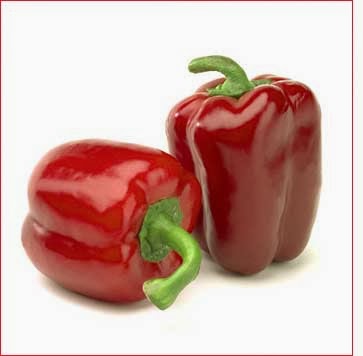
Paprika Fruit many Benefits

ZonaOrganik.Com - Paprika Fruit many Benefits - Paprika (Capsicum annuum) is a fruit-producing plants that taste sweet and slightly spicy from the tribe Solanaceae. Vegetables include chili family, but do not contain Capsicin, which are substances that cause spicy flavor.

Paprika is generally green, yellow, red and orange so it is often used to beautify dishes such as barbeque and a mixed salad. Paprika very much beneficial, because it contains a variety of vitamins and other substances that are beneficial to our body.

Paprika Ingredients:

The most common nutrient content in peppers is carotene, vitamin B and vitamin C. While the green pepper, each 100 grams contains 0.9g protein, 0.3g fat, 4.4g carbohydrate, calcium, 7.0mg, 0.4mg iron, 22mg phosphorus, vitamin A 540 IU, 22.0mg vitamin B1, vitamin B2 0.002mg, 0.4mg nyacin and vitamin C 160mg.

Paprika benefits for the health of the body:

1. Eyes and skin

Eating peppers will help maintain healthy skin, prevents rashes and acne. Peppers that contain vitamin A which is very good for curing sore eyes and prevent eye diseases come again.

Paprika Fruit many Benefits

2. Preventing cancer

Paprika contains lycopene compound, but in smaller amounts. Lycopene is able to kill cancer cells mouth. Increased intake of lycopene showed a reduced risk of breast cancer, prostate cancer, pancreatic, and colorectal cancer.

3. Enhance immunity

Paprika contains a very high nutrition, especially vitamin C. The vitamin C in peppers is higher than the amount of vitamin C in oranges (30-50 mg per 100 grams). Among other types of peppers, red peppers contain vitamin C highest of 190 mg per 100 grams. Vitamin C is involved in several vital processes of the body, ranging from fat transport, transport of electrons from various enzymatic reactions, manufacture kalogen (fibrous protein that forms connective tissue in the bone), hyper healthy gums, maintaining cholesterol levels, maintain immunity, wound healing and improve brain function in order to work optimally.

4. Hair

Paprika extract is one of the best hair growth at the same time grow new hair. Paprika will also prevent damage to the crown of your hair while helping to maintain a fixed thickness.

5. Improving the quality of sperm

Lycopene in peppers was also beneficial to the reproductive system. Lycopene consumption, especially in the red peppers, is believed to improve the quality of reproduction. This is because lycopene increases sperm count, keeping the structure of the sperm, and increase the motility (movement) of sperm.

6. Burn calories

Eating peppers speed up metabolism and help burn more calories. Paprika consumption also reduces weight because of the high fat diet. It also causes the secretion of digestive juices and prevent gastrointestinal irritation.

How to Plant Paprika:
Preparation

  1. Make sure a sterile growing media, it is to take precautions against the presence of germs in the planting medium.

  2. The process of seeding should be done in a sterile on rice husk.


Seedbed

  1. Seeds germinated in trays for 1 week.

  2. Seed the peppers that do not have a perfect leaf is transferred to a small polybag diameter of 10 cm for 2 minngu until the 2-3 leaf.

Moving Plant

  1. Seedlings planted in the real media big polybag size 30 x 35 cm.

  2. The plants will start flowering at the age of 2-4 weeks after planting and at the age of 2.5-3 months paprika fruit can be harvested up continuously.

  3. Paprika production period of 8-9 months with high 2,5-4m.

Treatment

  1. In maintenance pruning needs to be done on vegetative shoots that appear on the main stem armpits, so that flowers produce large bell pepper.

  2. Pruning is intended that the plants grow without many branches extending upward, while the rate cuts intended that nutritional fruit that grows fulfilled without any competition this will absorption of food are large. For example on one stalk, there are about 2-3 flowers, it is maintained pretty one.

We plant Paprika organically. We do not use chemical pesticides and prefer organic pest control and the use of predatory insects.

Peter Pepper Most Porn Plants in The World

ZonaOrganik.Com - Peter Pepper Most Porn Plants in The World - Organic Gardening - Growing Vegetables Organically - Chili which has the scientific name is Capsicum annuum var annuum found in Louisiana and Texas, United States (US). This chili is so famous all over the world is not as spicy, but very well-known because of its shape like a penis. Peter chili spiciness level is only around 5.000 to 30.000 SHU, equivalent to the usual red pepper pungency.

Because it is so strange and unique shape, one of the magazines in the US dub this chili as most porn plants in the world. Could you imagine if we sell chili like this on the market.

This is a unique and whimsical chili, Peter Pepper. Some say it is hot and sexy. Some say it was spicy. Others say it was delicious. No matter who you are, you will agree it is the most interesting chilli in the world. One chillies used to make every cook, and give the impression, gifts, opportunities, and experiences that appeal to that enjoyed it.

The Story of the Peter Pepper

The fiery little Peter Peppers has long been Considered too hot to eat! Native to Louisiana and Texas, this blistering capsicum pods roomates forms naturally and consistently Themselves contort into a miniature replica of, well - take a look at its scientific name: Capsicum annuum var. annuum 'Peter' (Penis Pepper).

Peter Pepper Most Porn Plants in The World

Reviews These are interesting peppers certainly a conversation piece for the gardener who has everything! Seeds are almost impossible to Obtain, and most plants are grown from the much coveted "private stock" - plants grown year after year for seeds alone.

Actually, the word pepper can be confusing here. The familiar black or white pepper is a product of Piper nigrum and that is an entirely different plant! This chili belong to the genus Capsicum. The name comes from the Greek Capsicum kapto, to bite, an allusion to the hot, biting taste of the fruits. Capsicums Some are sweet, some are hot, others are mild, and they all have unique shapes and culinary uses. Famous cousins ​​of the Peter Pepper include the tabasco pepper and the jalapeno. However, Those chilies are hotter than the Tabasco and at least 10 times hotter than the jalapeno.

Papa Jeabert's Founder:

The founder of Papa Jeabert's, Inc., Phil Gremillion was born and raised in the heart of Cajun country - Lafayette, Louisiana, and Grew This chili in his back yard from seeds given to him by his father.

Little is known about the commercial cultivation of this chili because It has always been grown as an ornamental. Papa Jeabert's was the first to grow this chili for commercial purposes. The first successful commercial field of Peter Peppers was grown by Papa Jeabert's nursery under shade cloth to protect the pepper plants from the sun.

Today the peppers are still grown under shade cloth, with the growing season lasting from late March through early October. A typical field MIGHT have 2,000 plants, set about 16 inches apart. Peter Pepper Each plant produces approximately 100 hot little peppers.

Everybody cooks in Phil Gremillion's hometown of Lafayette. In fact, the area is known for its good food and "joie de vivre" - love of life! With a bumper crop of Peter Peppers at his backdoor, Phil experimented with his own spice blend made from dried and crushed Peter Peppers. When he Gave bottles of the blend to friends and relatives, they were Immediately hooked on its delicious and different taste. Soon it was obvious that Phil had the seed of a hot business.

In 1995, the local press ran a story on this new business, describing Phil Gremillion as the man who tamed the hottest of the peppers.

Read more at: http://www.peterpeppers.com/Peter_Peppers/peter_peppers.htm

We plant Peter Peppers organically. We do not use chemical pesticides and prefer organic pest control and the use of predatory insects.

Chocolate Bhut Jolokia Unique Exotic

ZonaOrganik.Com - Chocolate Bhut Jolokia Unique and Exotic - Bhut Jolokia chili is one of the hottest in the world. This chili was recorded in the Guinness World Records in 2007 as the hottest chili, although then the record is broken by some other kinds of peppers.

Bhut Jolokia has a pungency level exceeding 1 million SHU (Scoville Heat Units) compared with the usual chili spiciness that only have 50000-100000 SHU.

Same with Bhut Jolokia red and yellow, Bhut Jolokia Chocolate is one of the hottest chilli in the world, after trinidad scorpion and carolina reaper. The same level of spiciness, but the colors are different. Unique and exotic brown color so it is more attractive.

Bhut Jolokia Purple and White color having the color only when immature, when mature they will be red. Unlike the Bhut Jolokia Chocolate brown when ripe will.

Until 2011 this was the hottest pepper in the world! With between 800,000 Scoville Units ~ 1.0013 million you can call this nuclear pepper. One drop of this pepper extract needs from one million drops of water to no longer be perceived as sharp. This chili pepper is a Whopping 125 times hotter than a Jalapeno!

Chocolate Bhut Jolokia Unique Exotic

This pepper originates from north-eastern India, par- ticularly Assam, Nagaland and Manipur. Bhut Jolokia (or Naga Jolokia) is twice as hot as the previous champ, the Red Savina, and was recorded in the Guinness Book of Records as the world's hottest pepper. The plants can grow up to 45-120 cm. The pods are 5 to 8.5 cm in length and 2.5 to 3 cm in width.

The Bhut Jolokia loves heat and humidity, but with a little extra care and love it will grow well in a cooler climate. Germination time is similar to the Habanero peppers, so it will take longer than others. Do not despair if you do not see anything after 3 weeks! The Bhut Jolokia has a long growing season. From this species it is known that some flowers of the plant can fall off.

Bhut Jolokia Chocolate is a rare, natural variant of Bhut Jolokia Red. It has all the characteristics of the Bhut Jolokia Red, but is much sweeter and delicious.

The Chocolate Bhut Jolokia is a wild strain found by Frontal Agritech India in Assam. The plant grows to between 1 to 2 meters. The delicious looking chilli pods are 5-8 cm long and 2-3 cm wide. The Chocolate Bhut Jolokia is an outstanding looking plant and grows well in a pot or in the ground.

The Chocolate Bhut Jolokia is as hot as the Bhut Jolokia, that was the world hottest chilli for years, and before that it was the Red Savina Habanero.

Flavour Wise: It taste as a Bhut Jolokia, but unfortunately not like dark chocolate.

Read also Dark Purple Chili

We plant Chocolate Bhut Jolokia organically. We do not use chemical pesticides and prefer organic pest control and the use of predatory insects.

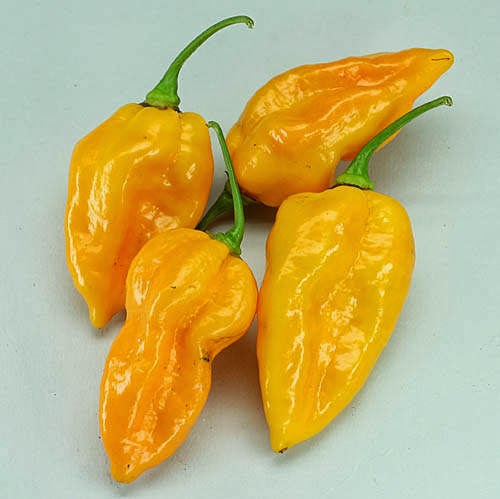
Peach Habanero The Pretty Chili

Peach Habanero is the pepper plants from the Caribbean whose height is only about 50 cm. Peach fruit when it has matured. Length exceeding habanero fruit in general. Peach Habanero has a high spiciness, and has a unique fruit flavor. This chili can be harvested 100 days after planting.

The Peach Habanero is another variety with a pretty peach color. They are high-producing, compact plants that are great for growing inside, and can Brighten a room or office with Reviews their colorful, eye-watering but, fruits.

Habanero Peach is a compact plant, around 50 cm tall. It's high yielding. Peppers are peach-colored when mature. They are longer than mostHabanero's, have a nice fruity flavor and are very hot. This variety originates from the Caribbean. Harvest: 100 days after repotting.

(Capsicum chinense) Beautiful peach-colored peppers borne in Profusion on 18 "plants. From the SSE member James Weaver of Kutztown, Pennsylvania. Our favorite habanero for container growing. 95-100 days from transplant. VERY HOT.

Peach Habanero The Pretty Chili

How to plant Peach Habanero:

Sow seeds indoors ¼ "deep. Peppers germinate best in warm soil, so gentle bottom heat may be helpfull until seedlings emerge. Wait to transplant outdoors until soil is warm.

  1. Start indoors 8 weeks before last frost.

  2. Germination in 14 Days.

  3. Plant outdoors when the plant reaches a height of 12-24 ".

  4. The Peach Habanero need light full sun to optimal growth.


We plant Peach Habanero The Pretty Chili organically. We do not use chemical pesticides and prefer organic pest control and the use of predatory insects.

Naga Morich Hottest Peppers in The World

ZonaOrganik.Com - Naga Morich Hottest Peppers in The World - Naga Morich is known as one of the hottest peppers in the world. This chili is the brother of Bhut Jolokia. The shape is similar to the Bhut Jolokia, but it looks like it has a tail on the end of the fruit.

Naga Morich is a close relative of Dorset Naga. The chili came from North-East India. Naga Morich Hottest Peppers in the World is also known from Bangladesh.

Naga Morich has spread to the United States, Britain, and Australia were used as the main ingredient manufacture spicy sauce. If a visit to Finland, you will find many types of chili is sold in fresh condition at the supermarket.

Naga Morich Hottest Peppers in The World has a spicy flavor and unique because of slightly sweet.

Naga Morich is known as one type megascovile very spicy chili in the world. Measured in scala scoville (chili spiciness scale) ranges from 661 451 SHU for the green ones, up to 1.03231 million SHU for ripe fruit is harvested, it is much higher many times higher than the level of spiciness of chili pepper that only about 100000-300000 SHU. Spicy chili is not without reason because this type is a close relative of Bhut Jolokia chili or Ghost Pepper or Chili Devil who holds the record for the hottest in the world in repeatedly several years ago.

Naga Morich Hottest Peppers in The World

Naga Morich, still like his brother Bhut Jolokia, chilli classified as highly productive and able to produce hundreds of fruit per tree at a time. The fruit begins from the green, then gradually becoming orange, and finally red when ripe perfect. Chili length is slightly smaller than the Bhut Jolokia, approximately 6 cm, with a diameter of about 1 cm 2 cm.

The strength of spicy chili is apparently a major impact on the food industry around the world because they do not need anymore chilli in considerable numbers, but enough with the Naga Morich few have been able to make appropriate food to be very spicy spicy taste desired.

The Naga Morich or Dorset Naga is one of the hottest peppers in the world! With around 1,000,000 Scoville Units you could call this pepper "nuclear".  Even there are 1,598,227 Scoville units measured in Naga Morich pods! That is four times as hot as the former World champion, the Red Saviana. Naga Morich means 'snake or serpent Chile’. This chili is almost like snake venom, as some people say! One drop of extract from this pepper needs more than one million drops of water to no longer be perceived as pungent anymore. The Naga Morich and its cousin Bhut Jolokia from India are closely related. The pods color from green to yellow and end up red. After repotting it takes about 120 days before the peppers are mature. The plant can grow to 1 meter in height.

The Naga Morich, closely related to the Bhut jolokia, is a chilli pepper cultivated in Bangladesh and North East India. It is mostly very similar to Bhut Jolokia, or Ghost Chilli. In UK it is called Dorset nag which is originally from Bangladesh. It is one of the hottest known chili peppers.

Like many varieties of the Chinense species, the Naga Morich is a small to medium shrub with large leaves, small, five-petaled flowers, and blisteringly hot fruit. It differs to the Bhut Jolokia and Bih Jolokia in that the pods are slightly smaller with a pimply ribbed texture as opposed to the smoother flesh of the other two varieties.

The plants are cultivated in North East India and Bangladesh. They are also grown in the USA, United Kingdom (as subspecies Dorset Naga) and Australia for the production of hot sauces, and in Finland, where it is mainly sold fresh in supermarkets.

The Naga Morich chilli is extremely hot, but has a flavor that is quite unique. Like the Bhut Jolokia (Ghost Pepper), it has a sweet and slightly tart flavor, followed by slight undertones of woody, smoky flavors. The chili is traditionally used green by the Bangladeshis, often eaten raw as a side dish. It is well suited for BBQ and grilling due to its unique flavor profile.

This pepper is extremely hot! Use plastic gloves when handling this pepper. Use is entirely at your own risk


We plant Naga Morich Hottest Peppers in The World organically. We do not use chemical pesticides and prefer organic pest control and the use of predatory insects.

Dorset Naga hottest chillies in the world

ZonaOrganik.Com - Dorset Naga hottest chillies in the world - Dorset Naga is one of the hottest chillies in the world, capable of reaching a million Scoville Heat Units and more. The scorching heat of the fruit is combined with a distinctive fruity aroma, making this a truly exceptional chilli.

The wrinkled, wedge-shaped fruit ripen from green to red, and can be harvested at either stage of maturity. They can be up to 30 x 50mm in size, but can be smaller when the plants are grown in pots.

The plants are tall and ungainly, and when grown in the ground and given plenty of light, they can reach 1.5m or more. When grown in pots, however, their height can be considerably reduced.

Dorset Naga hottest chillies in the world

Approximate heat level: 544,000–1,221,000 SHU

Dorset Naga (Capsicum chinensis) is superhot chilli, origianlly selected from the Bangladeshi chilli, naga morich.

The heat level has ranged from 661,451 SHU for green fruit in 2007, up to 1,032,310 SHU for ripe fruit harvested in 2009.

Dorset Naga displays the typical characteristics of Capsicum chinense: slow germination; large, soft, slightly pale green leaves; multiple flowers per node; greenish petals; annular constriction; late maturing fruit; and floral aroma of the fruit.

In addition, Dorset Naga displays its own varietal characteristics. The plants are robust, consistently growing to a height of 1.5m or more. They are bushy, producing many branches from the base.

The fruit start green, and ripen to a red colour. They are wedge-shaped, with three locules and often a nipple at the end. Although some can be quite small, the fruit are generally 4-5 cm long and 3-4 cm wide at the shoulders. Larger fruit can be up to 6 cm long. The skin is finely wrinkled, and the flesh is thin. The most significant feature of Dorset Naga, however, is its extreme pungency, which makes it a contender for the title of ‘hottest chilli in the world’.


We plant Dorset Naga organically. We do not use chemical pesticides and prefer organic pest control and the use of predatory insects.

Yellow Devils Tongue

ZonaOrganik.Com - Organik Gardening - Growing vegetables organically - Yellow Devils Tongue - One again, ornamental chili seeds we sow was, Yellow Devils Tongue. This unique chili yellow and rather wrinkled skin, but has a biting pungency.

The Yellow Devils Tongue is a Capsicum Chinenese from unknown origin. Unfortunately we don’t have a lot information about the beautiful habanero variety. The plant grows to about a metre in pot and would probably grow bigger if you plant it in the ground. The pods are around 10 cm long and 3 cm wide and look very similar to the Fatali and often confused for. The Yellow Devils Tongue is a good producer and it’s one of our favourites.

Yellow Devils Tongue

An awesome habanero type with cool looking yellow pods. Really hot with a nice sweet flavour.

The yellow devil’s tongue pepper is very rare. It is not always known by even the most dedicated chili head. This kit makes a great gift and a fantastic surprise as chances are the recipient has never heard of this rare yellow treat.

The Devil’s Tongue pepper is a bit of a mystery. It was discovered growing alongside habanero in Pennsylvania. Although it is likely a cross between habanero and an unknown pollinator, nobody is really sure. Despite being related to habanero, the devil’s tongue pepper is a unique cultivar which reaches more than 325,000 SHU. That is as much as 130 times as hot as Jalapeno.


We grow Yellow Devils Tongue organically. We do not use chemical pesticides and prefer organic pest control and the use of predatory insects.

Chupentinho Unique Chili from Brazil

ZonaOrganik.Com - Chupentinho Unique Chili from Brazil - Chupentinho chili thought to have come from Brazil, has the shape of an eccentric. This chili has another name Biquinhi, belonging to the species Capsicum chinense Jacquin with pungency level range 20000-30000 Scoville Heat Units.

Chupetinho chili favored by many hobbyists because of the unique chili unsightly, fruitful and inclusive climate and pest resistant. Yellowish green to orange when young and finally red when ripe.

This unique chili very beautiful when planted in the garden or even in pots. really very beautiful, because of its unique shape.

How to plant Chupentinho pepper Unique Chili from Brazil:

Chupentinho Unique Chili from Brazil

  1. Soak the seeds in water about 1-2 hours.

  2. Seeding the seeds on the planting medium that has been prepared with a depth of 0.5 to 1 cm. Wet with clean water.

  3. Cover with black plastic nursery pot so that the seed is experiencing conditions of total darkness that will help germination.

  4. Move the plants when leaves 4-6 strands.

  5. Fertilization can be done when the plants are 3-4 weeks old.


We grow Chupentinho pepper organically. We do not use chemical pesticides and prefer organic pest control and the use of predatory insects.

Candle Light Suitable Ornamental Chili

ZonaOrganik.Com - Candle Light Suitable Ornamental Chili - Capsicum annuum Candlelight is one type of dwarf ornamental pepper. Suitable for planting in pots and decorate your home. In outdoor or even chili wax your yard looks very unique and distinctive. It would be beautiful if planted in groups.

This chili peppers adaptive in Indonesia and is very productive. The fruit is ripe and perfectly suited to meet the needs of cultivated cooking in the kitchen, just planting one then had the problem sorted out chili in the kitchen.

When young chilli, yellow-white Candle Light turns into orange and red when ripe. This same sense of chili with spicy chili sauce, or around 300,000 SHU.

Candle Light Suitable Ornamental Chili

Candle Light is suitable as an ornamental chili (in addition to the fruit can be eaten) because it has a uniform fruit like a collection of lighted candles. Capsicum annuum is one type of dwarf ornamental pepper. Candle Light is suitable planted in pots to decorate the front porch. The unique shape will look more beautiful when planted in groups.

Candle Light, but can be made sauce, chili can also be used as an ornamental plant. because when these coincide fruitful chili and soars upwards, can be seen as a picture.

When young Candle Light yellowish white turns into orange and red when ripe.


We grow this chili organically. We do not use chemical pesticides and prefer organic pest control and the use of predatory insects.

How to Growing Yellow Trinidad Scorpion Organically?

ZonaOrganik.Com - How to Growing Yellow Trinidad Scorpion Organically? - Yellow Trinidad Scorpion is one kind of family Trinidad scorpion morouga (Capsicum chinense). This chili is native Moruga districts in Trinidad and Tobago.

On February 13, 2012, New Mexico State University Chile Pepper Institute identify Trinidad scorpion morouga as the hottest chilli in the world, with an average heat more than 1.2 million Scoville Hot Units (SHU), and individual plants with heat more than 2 million SHUs.

However Trinidad Moruga Scorpion has not been certified as the hottest pepper by the Guinness Book of World Records. The previous record holder is the Bhut Jolokia from India.

Like other chili, Yellow Trinidad Scorpion is also easy to grow. We grow this chili organically.

Preparation Plant Yellow Trinidad Scorpion

How to Growing Yellow Trinidad Scorpion Organically?

The following preparation plant tellow trinidad scorpion organically in the pot:
  1. Prepare small pots or polybags.

  2. Prepare the media for seedlings. Make sure a sterile growing media, it is to take precautions against germs.

  3. For the sowing, use of fertile soil with humus moderate level.

  4. Should not use compost or bulking kind of acidic soil, because will inhibit germination.

  5. In order to obtain better results, soak the seeds overnight in water mixed with a liquid organic fertilizer, this will accelerate the growth of the seed.

Seedbed

  1. Make a small hole 1 cm deep in the planting medium, and place the seeds in the hole and cover with planting medium.

  2. Place the pots or polybags in the shade.

  3. The ideal temperature for the nursery is 25-30 degrees Celsius.

Transfer Plant

  1. When it appeared two pairs of true leaves (four true leaves and two leaves pseudo / cotyledon), plant moved to a place that gets full sun.

  2. Move the plants into pots or larger polybag.

  3. Adjust the size of a large container with plants, if the container is not enough to accommodate the plant, then it should be moved to a larger container.

  4. Media planting a mixture of garden soil with compost or manure, can also be mixed cocopeat or husk with the ratio 1: 1: 1.

Treatment

  1. Watering is done every afternoon.

  2. The addition of fertilizer with organic fertilizer made of solid or liquid organic fertilizer after the plant life of 2-4 weeks.

  3. To prevent and control pests, use natural pesticides.

  4. Natural pesticides can be created by using a solution of soursop leaf, papaya, and tobacco fermented one night.


We grow this chili organically. We do not use chemical pesticides and prefer organic pest control and the use of predatory insects.

The Fact of Trinidad Scorpion Moruga Blend

ZonaOrganik.Com - The Fact of Trinidad Scorpion Moruga Blend - As with other types of chili, Trinidad Moruga Scorpion Blend is also our growing organically. Planting medium that we use is a mixture of garden soil, compost, and husk.

TSMB crowned as the hottest chili in the world by Guinness World Records on November 26, 2013. Trinidad Scorpion Moruga Blend is one of the most desirable types of chili and very popular in the world . At the time eaten, chili derived from Moruga, in Trinidad and Tobago this may not seem spicy at all, but then spicy flavor and heat will increase.

The Trinidad scorpion moruga blend (Capsicum chinense) is native to the district of Moruga in Trinidad and Tobago. On February 13, 2012, the New Mexico State University's Chile Pepper Institute identified the Trinidad moruga scorpion as the hottest chili in the world, with a mean heat of more than 1.2 million Scoville heat units (SHUs) and individual plants with a heat of more than 2 million SHUs. The previous record holder was the Bhut Jolokia of India. The current world record holder is the Carolina Reaper.

The Fact of Trinidad Scorpion Moruga Blend

Paul Bosland, a chili pepper expert and director of the Chile Pepper Institute, said, "You take a bite. It does not seem so bad, and then it builds and it builds and it builds. So it is quite nasty."

Aside from the heat, the Trinidad moruga scorpion has a tender fruit-like flavor, the which makes it a sweet-hot combination. The pepper can be grown from seeds in most parts of the world. In North America, the growing season varies regionally from last spring to the first hard frost fall hard frost. Freezing weather ends the growing season and kills the plant, but otherwise they are perennials roomates grow all year, slowing in colder weather.

On August 07, 2013, the Guinness World Records rated the 'Carolina Reaper' the world's hottest pepper, dethroning the ghost pepper and moruga scorpion.

Trinidad Scorpion Moruga Blend is hottest chili in the world (the hottest in 2012). Trinidad Scorpion Moruga Blend, currently occupying the title as the hottest chili in the world. Research conducted by the New Mexico State University's Chile Pepper Institute have identified varieties of chili hottest on earth.

For those of you who like the taste of spicy, then it should try this chili. Average spiciness of this chili is 1,207,764 SHU. Spicy taste of chili Scoville exceeded 1.2 million, currently bite. This chili was great not too spicy, but in
Your next bite will feel the sensation of spiciness that curved usual, "said Paul Bosland, a renowned expert chili and Chile Director of the Institute.

In terms of form this chili is unique. When young, chilli derived from Albuquerque, New Mexico is green and turn red when ripe.


We grow this chili organically. We do not use chemical pesticides and prefer organic pest control and the use of predatory insects.

Growing Chenzo Pepper Organically

ZonaOrganik.Com - Growing Chenzo Pepper Organically - Chenzo pepper is wonderful chili that has a moderate spiciness. This chili can produce up to 300 fruit per plant. Dark green plants and dome-shaped. Ripe fruit from green to black, then red life. This variety has excellent temperature tolerance which allows the fruit can stay longer on plants other than varieites.

As with other types of unique chili, Chenzo pepper will we grow organically in a small green house next to the house. Planting medium that we use is a mixture of garden soil and compost.

In addition, we also plan to plant Chenzo pepper who have this level of spiciness 45,000 SHU hydroponically.

Growing Chenzo Pepper Organically

Tastes as good as it looks! Attractive fruits hang below the foliage canopy and mature from black to bright red. Compact, well branching plants have a mounded habit with good resistance to cool Temperatures. Use fresh in your favorite recipes or can be dried. Well suited to pots, containers and window boxes or as individual plants in a mixed planter. Scoville rating of approximately 45,000. Plants grow 22 "tall and spread up to 20".

Chenzo pepper is a really attractive medium hot chilli, producing high numbers of chillis on a dome shaped plant (like a mini acer). The purple fruit matures through to a red and it has excellent cold tolerance allwoing it to fruit longer than other varieites. Use this chilli to spice up your dish. Truly something special.


We grow this chili organically. We do not use chemical pesticides and prefer organic pest control and the use of predatory insects.
Copyright © 2015. Zona Organik - All Rights Reserved
Template Editing by Zona Organik